
The global lithium-ion battery market continues to grow in 2026, supported by rising demand from electric vehicles, battery energy storage, consumer electronics, data centers and a growing range of smart devices.
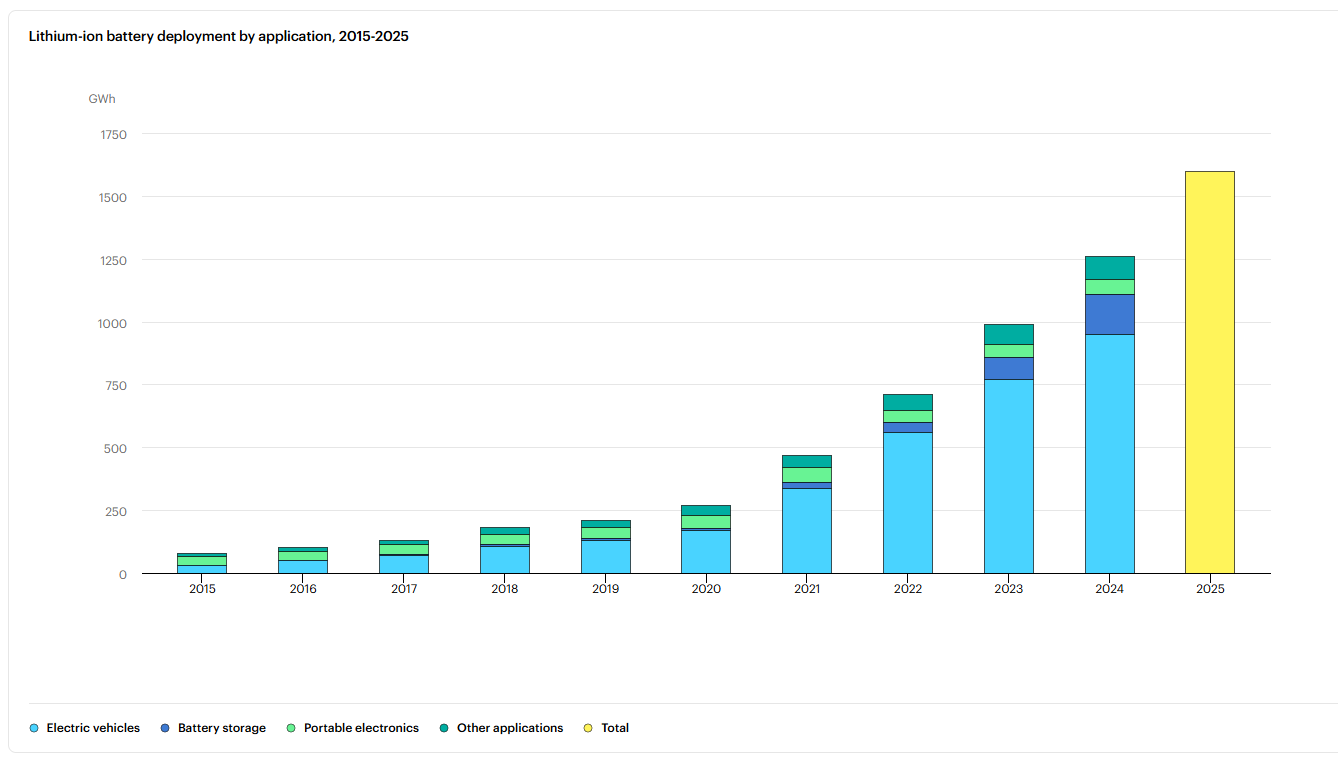
According to the International Energy Agency (IEA), the global lithium-ion battery market exceeded USD 150 billion in 2025, representing an increase of more than 20% compared with 2024. Global lithium-ion battery deployment in 2025 was around six times higher than in 2020, highlighting the rapid expansion of battery technologies across multiple industries.As battery technologies continue to improve and costs remain competitive, lithium-ion batteries are becoming an increasingly important part of the global energy and electronics industries.
1. Global Demand for Lithium-Ion Batteries Continues to Grow
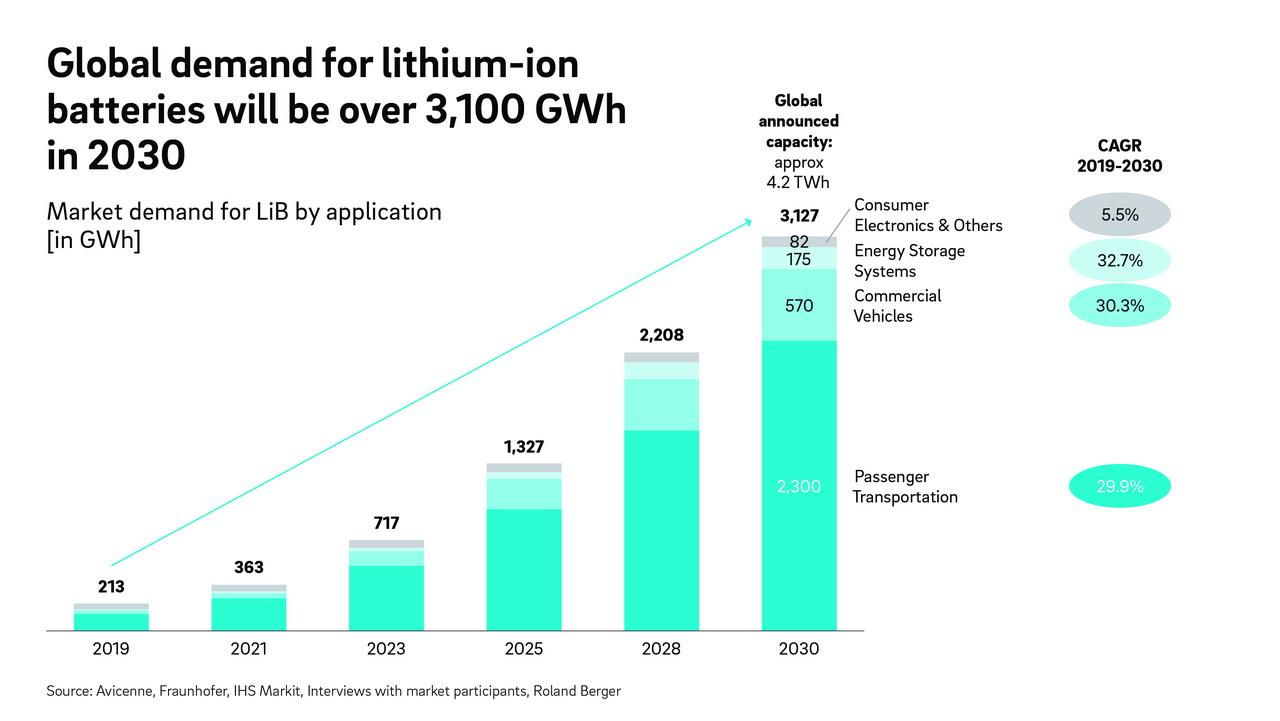
Lithium-ion batteries have become an important power source for electric vehicles, portable electronics, energy storage systems and many other applications.The global battery market has changed significantly over the past decade. Electric vehicles remain the largest source of lithium-ion battery demand. According to the IEA, electric vehicles accounted for more than 70% of global lithium-ion battery deployment in 2025. Battery energy storage represented more than 15%, while other applications included consumer electronics, electric two-wheelers, drones and other devices.
This growing diversity of applications is creating new opportunities for battery manufacturers and technology developers around the world.
2. Battery Energy Storage Becomes an Important Growth Market
In addition to electric vehicles, battery energy storage is becoming one of the fastest-growing applications for lithium-ion batteries.The IEA reports that 108 GW of new battery storage capacity was deployed worldwide in 2025, approximately 40% more than in 2024. Global battery storage capacity is now around eleven times higher than in 2021.
China remained the largest market for new battery storage deployments in 2025, accounting for around 60% of global additions, followed by the United States and Europe. Battery storage is increasingly being used to support renewable energy integration and improve the flexibility and reliability of electricity systems.
This rapid growth is creating additional demand for lithium-based battery technologies.
3. Data Centers and AI Infrastructure Create New Battery Demand
The rapid expansion of artificial intelligence and digital infrastructure is creating another emerging market for batteries.Data centers require reliable backup power to maintain operations during power interruptions. Battery-based uninterruptible power supply (UPS) systems are therefore becoming increasingly important.
According to the IEA, battery-based UPS capacity additions, primarily associated with data centers, increased by around 30% to 45 GW in 2025.
As AI applications and data center infrastructure continue to expand, batteries are expected to play an increasingly important role in digital infrastructure.
4. Consumer Electronics Remain an Important Battery Application
Although electric vehicles and energy storage now account for a large share of global battery demand, rechargeable lithium batteries remain essential for consumer electronics.Smartphones, tablets, laptops, wireless earphones, smartwatches, fitness trackers, cameras and other portable electronic devices continue to rely on rechargeable battery technologies.
At the same time, the development of IoT and wearable devices is creating demand for smaller and more customized battery solutions.
For compact electronic products, battery manufacturers increasingly need to balance:
· Energy density
· Size and weight
· Battery capacity
· Cycle life
· Safety
· Charging performance
· Reliability
· Customized dimensions
Lithium polymer batteries are particularly suitable for many compact electronic products because they can be manufactured in a wide range of shapes and sizes.
5. Smart Devices and IoT Expand Battery Applications
The development of the Internet of Things (IoT) is creating additional opportunities for rechargeable lithium batteries.IoT devices such as GPS trackers, smart sensors, wearable devices, smart home products and portable monitoring equipment often require compact batteries with stable performance and long operating times.
Compared with large battery systems, these products may require highly customized battery dimensions and capacities.
For battery manufacturers, this means that customization capability is becoming increasingly important in addition to standard battery performance.
6. Battery Technology Continues to Improve
The lithium-ion battery industry continues to focus on higher energy density, improved safety, longer cycle life and lower manufacturing costs.Different applications require different battery characteristics.
For example:
· Wearable devices often require compact and lightweight batteries.
· IoT devices may prioritize long operating time and low self-discharge.
· Medical devices require high reliability and stable performance.
· Portable electronics require a balance between capacity, size and safety.
· Energy storage systems prioritize cost, safety and cycle life.
As a result, there is no single battery solution suitable for every application.
Battery manufacturers increasingly need to develop customized solutions based on the specific requirements of each product.
7. Battery Manufacturing Capacity Continues to Expand
The rapid growth of battery demand is also driving continued expansion of global battery manufacturing capacity.According to the IEA, global lithium-ion battery cell manufacturing capacity exceeded 4 TWh in 2025, while China accounted for more than 80% of global battery manufacturing capacity.
China, Korea and Japan continue to play important roles in the global lithium-ion battery supply chain.
At the same time, manufacturers in different regions are working to improve supply-chain resilience, manufacturing efficiency and access to key battery materials.
8. Battery Costs and Supply Chains Remain Important
Falling battery costs have played an important role in expanding lithium-ion battery applications.The IEA reports that average battery prices declined by around 8% in 2025, supported by manufacturing improvements, technology development and increasing market competition.
However, the global battery supply chain remains highly concentrated.
China continues to dominate battery manufacturing and many upstream and midstream supply-chain activities, while Korean and Japanese companies remain important participants in the global battery industry.
For battery manufacturers and customers, stable supply, product quality, technical support and supply-chain management are therefore becoming increasingly important.
9. The Battery Market Is Becoming More Diverse
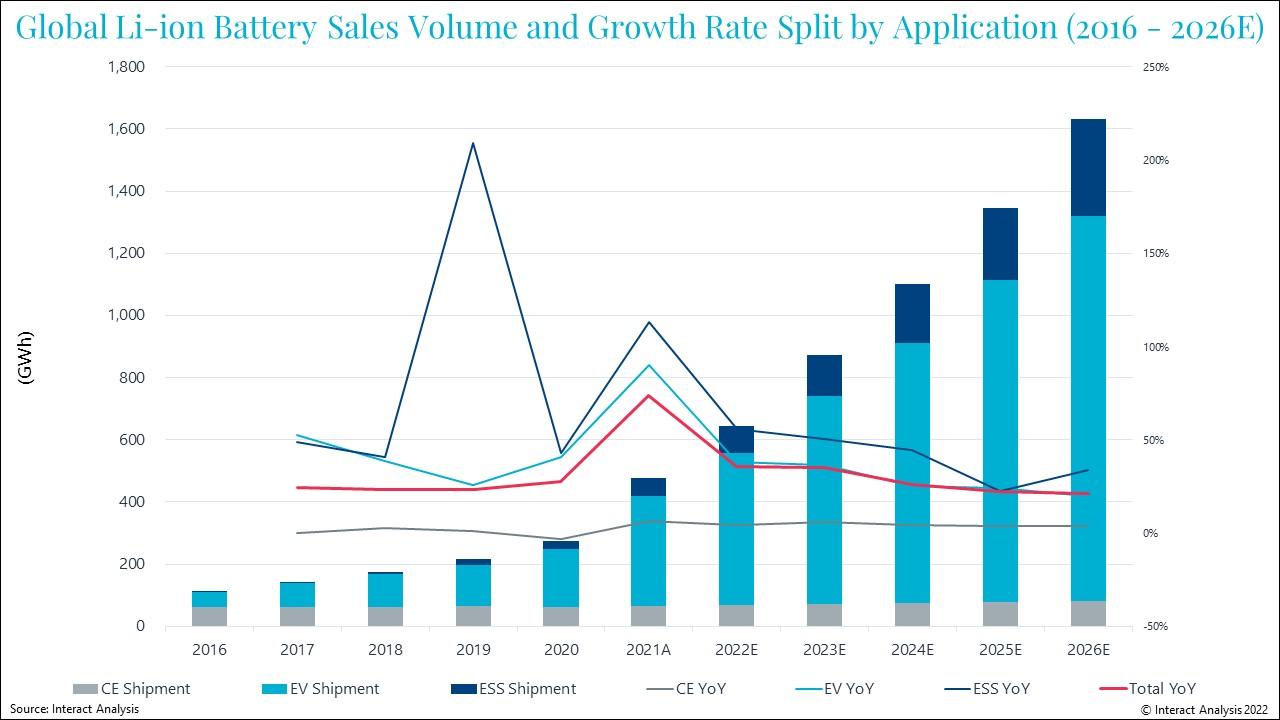
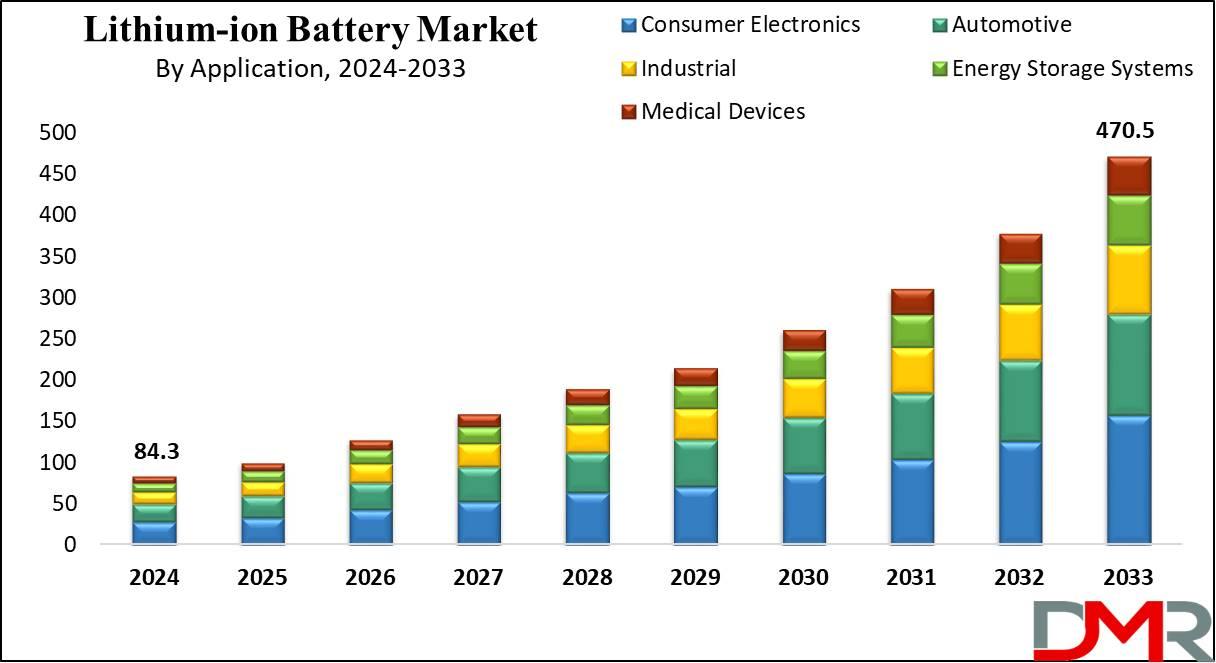
The global lithium-ion battery market is no longer driven by a single application.Electric vehicles remain the largest source of demand, while energy storage, data centers, consumer electronics and smart devices are creating additional growth opportunities.
Today's lithium-ion battery applications include:
· Electric vehicles
· Battery energy storage systems
· Data centers
· Consumer electronics
· Wearable devices
· IoT devices
· Medical devices
· Drones
· Cameras
· Fitness equipment
· Smart home products
· Robotics
This diversification means that battery manufacturers need to provide a wider range of battery technologies, sizes and customized solutions.
10. Opportunities for Rechargeable Lithium Battery Manufacturers
The continued expansion of the global battery market creates opportunities not only for large automotive battery manufacturers but also for suppliers of small and customized rechargeable batteries.Compact lithium polymer batteries and customized lithium battery packs are increasingly used in wearable devices, IoT products, medical electronics, smart fitness equipment, GPS trackers and other portable products.
For these applications, customers often require batteries with specific dimensions, capacity, voltage, discharge performance and connector configurations.
Therefore, manufacturers with flexible production capabilities and strong customization experience can support a wide range of emerging applications.
Conclusion
The global lithium-ion battery market continues to expand in 2026, supported by strong demand from electric vehicles, energy storage, digital infrastructure, consumer electronics and smart devices.The IEA reports that the global lithium-ion battery market exceeded USD 150 billion in 2025, while global battery deployment was around six times higher than in 2020.
Battery energy storage is also developing rapidly. In 2025, global battery storage additions reached 108 GW, an increase of around 40% from the previous year.
As battery applications continue to diversify, future industry development is expected to focus on higher energy density, improved safety, longer cycle life, cost efficiency and customized battery solutions.
For rechargeable lithium battery manufacturers, understanding these market trends and developing reliable, application-specific battery solutions will be increasingly important in the global market.
As a professional rechargeable lithium battery manufacturer, Zishine Energy (Shenzhen) Co., Ltd. provides customized lithium battery solutions for wearable devices, IoT products, medical electronics, smart fitness equipment and other portable applications.