
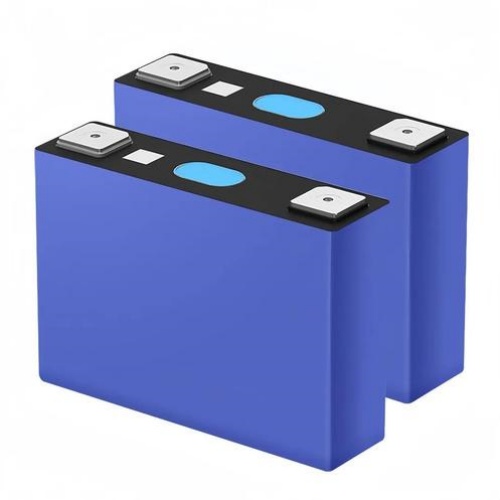
Raw material prices have a significant impact on the 5th and 7th battery industry, as they account for a large proportion of the production cost of batteries. In recent years, the prices of key raw materials such as lithium, cobalt, and nickel have fluctuated significantly, affecting the profitability of battery manufacturers and the development of the industry. Understanding the impact of raw material prices on the industry is crucial for battery manufacturers to make informed decisions and remain competitive.
Lithium is one of the most important raw materials for 5th and 7th batteries, as it is used in the production of lithium-ion batteries. The price of lithium has fluctuated significantly in recent years, due to factors such as changes in supply and demand, geopolitical tensions, and changes in government policies. In 2023, the price of lithium reached a record high, due to the growing demand for electric vehicles and energy storage systems. However, in 2024, the price of lithium fell sharply, due to the increase in lithium production and the slowdown in demand. This fluctuation in lithium prices has a significant impact on the production cost of 5th and 7th batteries, as lithium accounts for about 30% of the production cost.
Cobalt is another important raw material for 5th and 7th batteries, as it is used to improve the stability and cycle life of batteries. The price of cobalt is also subject to significant fluctuations, due to factors such as supply shortages, geopolitical tensions, and changes in demand. The Democratic Republic of the Congo is the largest producer of cobalt in the world, accounting for more than 70% of global production. Any political instability in the country can lead to a shortage of cobalt supply and an increase in prices. This has a significant impact on battery manufacturers, especially those that rely heavily on cobalt.
Nickel is also an important raw material for 5th and 7th batteries, as it is used in the production of nickel-metal hydride batteries. The price of nickel has also fluctuated significantly in recent years, due to factors such as changes in supply and demand, and changes in government policies. The growing demand for electric vehicles has led to an increase in the demand for nickel, which has pushed up its price. However, the development of new battery technologies that use less nickel or no nickel is expected to reduce the demand for nickel in the future.
To cope with the impact of raw material price fluctuations, battery manufacturers are taking a variety of measures. For example, some manufacturers are diversifying their raw material suppliers to reduce their dependence on a single supplier. Others are investing in R&D to develop new battery technologies that use less expensive raw materials or alternative materials. In addition, some manufacturers are entering into long-term contracts with raw material suppliers to lock in prices and reduce the impact of price fluctuations.
Shenzhen Sunhe Energy co.,Ltd. has also taken measures to cope with the impact of raw material price fluctuations. The company has established long-term cooperative relationships with reliable raw material suppliers, ensuring a stable supply of raw materials at a reasonable price. The company is also investing in R&D to develop new battery technologies that use less expensive raw materials, reducing production costs. For customers interested in learning more about how Sunhe Energy copes with raw material price fluctuations, or inquiring about the price of SH14500 and SH10450 batteries, you can contact us through Sunhe Energy contact, contact Sunhe battery, or Shenzhen Sunhe contact. If you have specific questions about the SH14500 or SH10450 batteries, please submit an SH14500 inquiry or SH10450 inquiry, and our professional team will provide you with detailed information.
Looking ahead, the prices of raw materials are expected to continue to fluctuate, due to various factors such as changes in supply and demand, geopolitical tensions, and changes in government policies. Battery manufacturers need to remain vigilant and take proactive measures to cope with these fluctuations, to ensure their profitability and sustainable development.