
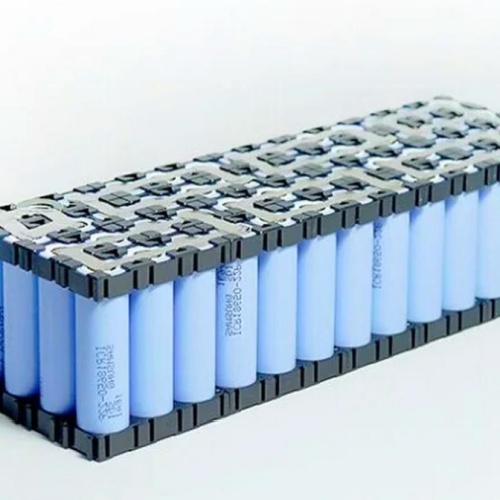
5th and 7th batteries are widely used in our daily lives, powering a variety of electronic devices such as remote controls, wireless mice, children’s toys, and smart home devices. Extending the service life of 5th and 7th batteries not only saves money but also reduces environmental pollution. In this article, we will share some practical tips on how to extend the service life of 5th and 7th batteries, including usage methods, storage tips, and troubleshooting measures. These tips are applicable to both Sunhe Energy’s SH14500 5th battery and SH10450 7th battery, as well as other brands of 5th and 7th batteries.
First, use the battery correctly. One of the most important factors affecting the service life of batteries is the way they are used. For rechargeable batteries (such as lithium-ion and nickel-metal hydride batteries), avoid over-charging and over-discharging. Over-charging can cause the battery to overheat, damage the internal structure, and reduce its cycle life. Over-discharging can also damage the battery, making it unable to be charged normally. When charging rechargeable batteries, use a dedicated charger that is compatible with the battery type, and stop charging once the battery is fully charged. For disposable batteries, do not use them until they are completely dead, as over-discharging may cause leakage.
Second, store the battery properly. Correct storage is crucial for extending the service life of batteries. When storing batteries, keep them in a cool, dry, and well-ventilated place, away from direct sunlight, high temperatures, and humidity. The ideal storage temperature is 10~25℃. For rechargeable batteries, charge them to 50%-70% of their capacity before storage, as this can prevent over-discharging during storage. Do not store batteries in a fully charged or fully discharged state for a long time. In addition, keep batteries away from metal objects to avoid short circuits. If you do not use the battery for a long time, it is recommended to check its power regularly and charge it in a timely manner.
Third, avoid using batteries in extreme temperatures. The performance of 5th and 7th batteries is greatly affected by temperature. Using batteries in high-temperature environments (above 60℃) can cause the battery to overheat, reduce its capacity, and shorten its service life. Using batteries in low-temperature environments (below -10℃) can also reduce their performance, making them unable to provide sufficient power. Therefore, it is recommended to use batteries in a temperature range of 0~45℃ for charging and -10~60℃ for discharge. For example, do not leave batteries in a car on a hot summer day, as the high temperature inside the car can damage the batteries.
Fourth, keep the battery contact clean. The contact between the battery and the device is crucial for the normal operation of the battery. If the battery contact is dirty or loose, it will increase the contact resistance, leading to energy loss and a short service life. To keep the battery contact clean, you can use a dry cloth or a cotton swab to wipe the battery’s positive and negative electrodes regularly, removing any dirt or oxidation. If the contact is loose, you can gently bend the battery’s positive electrode to ensure a tight contact with the device.
Fifth, do not mix different types or brands of batteries. Mixing different types of batteries (such as disposable and rechargeable batteries) or different brands of batteries can cause uneven discharge, leading to over-discharging of some batteries and leakage. In addition, mixing old and new batteries can also affect the performance of the batteries, as old batteries have lower capacity and may cause new batteries to discharge too quickly. Therefore, it is recommended to use the same type, brand, and age of batteries in the same device.
Sixth, handle batteries with care. Avoid dropping, hitting, or puncturing the battery, as this can damage the battery’s shell and internal structure, leading to leakage or explosion. Do not disassemble the battery, as the internal electrolyte is corrosive and may cause skin irritation or other injuries. If the battery is damaged or leaking, stop using it immediately and dispose of it properly.
Sunhe Energy’s SH14500 5th battery and SH10450 7th battery are designed with high-quality materials and advanced technology, which have a long service life. By following the above tips, you can further extend their service life and get more value from them. If you have any questions about how to use or maintain the SH14500 or SH10450 batteries, please submit an SH14500 inquiry or SH10450 inquiry, or contact us through Sunhe Energy contact, contact Sunhe battery, or Shenzhen Sunhe contact. Our professional team will provide you with detailed support and advice.